Guide
Memory Health Guide: Typical Forgetfulness, Warning Signs and When to See a Doctor
Forgetting a name and remembering it later is typical with age. Memory loss that disrupts daily life, confusion about time or place, or new trouble with familiar tasks are warning signs that need a doctor. Several causes are treatable, such as low vitamin B12, medicines, alcohol and depression. No supplement, MemoPryl included, should delay that visit.
Written by the MemoPryl editorial teamUpdated
Typical or not
What is normal forgetfulness, and what is a warning sign?
The difference is usually whether you recover the memory later and whether daily life still works. The Alzheimer's Association pairs each warning sign with a typical change.
| Warning sign: see a doctor | Typical change with age |
|---|---|
| Memory loss that disrupts daily life, such as asking the same question again and again | Sometimes forgetting names or appointments, but remembering them later |
| Trouble planning or solving problems, like following a recipe or tracking bills | Making an occasional error when paying bills |
| Difficulty with familiar tasks, such as driving a known route | Occasionally needing help with microwave settings or recording a TV show |
| Losing track of dates, seasons or where you are | Getting confused about the day of the week, then figuring it out |
| Trouble judging distance or reading, linked to vision and space | Vision changes from cataracts |
| New problems with words in speaking or writing | Sometimes having trouble finding the right word |
| Misplacing things and being unable to retrace steps | Misplacing things and retracing steps to find them |
| Poor judgment with money or self-care | Making a bad decision once in a while |
| Pulling away from work, hobbies or friends | Sometimes feeling uninterested in social obligations |
| Changes in mood or personality, such as new suspicion or fear | Feeling irritable when a routine is disrupted |
Doctor visit
When should you see a doctor about memory loss?
When any warning sign shows up, when it gets worse over weeks or months, or when family members notice it before you do.
Normal aging does not cause dramatic memory loss (MedlinePlus, Memory loss). A change that is new, steady or growing deserves a check, even if it feels minor. NCCIH warns against postponing a provider visit for memory loss (NCCIH, Supplements for cognition).
- You repeat stories or questions within the same conversation
- You get lost on a route you have used for years
- Bills, pills or appointments are slipping through
- Someone close to you has raised it more than once
- The change came on over weeks rather than years
Treatable causes
What causes memory loss that can be treated?
Several common causes respond to treatment, which is the main reason to see a doctor early. MedlinePlus lists these among them.
Medicines
Some prescription and over-the-counter drugs affect memory (MedlinePlus, Memory loss). Your doctor can review them. Never stop one on your own.
Low vitamin B1 or B12
Low levels of either vitamin can affect memory (MedlinePlus, Memory loss). A blood test can check B12.
Alcohol
Heavy or long-term drinking is a known cause (MedlinePlus, Memory loss). Tell your doctor honestly how much you drink.
Depression
Low mood can look like memory trouble (MedlinePlus, Memory loss). It is treatable, and worth naming at the visit.
Stroke
A stroke can cause sudden memory loss (MedlinePlus, Memory loss). Sudden symptoms need 911, not an appointment.
Short sleep
Adults need 7 or more hours a night (CDC, Sleep). Mention snoring or broken sleep to your doctor.
NCCIH also notes that treatable conditions can impair memory (NCCIH, Supplements for cognition). A supplement does not test for any of them.
Emergency
Which sudden memory changes need 911?
Sudden confusion, trouble speaking, or weakness or numbness on one side of the body. These can be stroke signs.
Also call for sudden trouble seeing or walking, or a sudden severe headache (CDC, Stroke signs). Note the time symptoms started; the care team will ask.
Get ready
How do you prepare for a doctor visit about memory?
Bring examples, a full medicine list and, if you can, someone who knows you well. A little prep makes a short visit far more useful.
Write down real examples
Note what happened, when, and how often. "Forgot the stove twice this month" helps more than "my memory is bad".
Note when it started
Did it come on over days, weeks or years? Did it follow an illness, a fall, a new medicine or a loss?
List every medicine and supplement
Include doses, sleep aids, allergy pills and any memory supplement. If you take MemoPryl, bring the bottle; St. John's wort in it matters for any new prescription.
Bring a companion
A family member or friend can describe changes you may not notice and help remember the advice.
Ask three questions
What could be causing this? Which tests do you suggest? What should I watch for before the next visit?
The doctor may ask questions about daily life, do a short memory test, examine you and order blood work. The exact checks depend on your history.
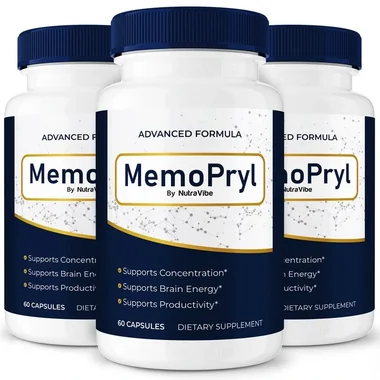
Ready to try MemoPryl?1 bottle $39.00 on the live listing · free standard shipping · 30-day returns
Order nowDaily habits
How do sleep and activity fit into a memory-friendly day?
They are two of the CDC's basic health targets: 7 or more hours of sleep, and 150 minutes of moderate activity a week.
- Your label's serving
Shown at 8 am as an example; follow the time printed on your bottle.
- Your other medicines
Ask a pharmacist first: St. John's wort changes how many drugs work.
- Move every day
Adults need 150 minutes of moderate activity a week.
- Night, 7+ hours
Adults need 7 or more hours of sleep a night.
No timing is printed in our materials, so the dot is an example. Activity (CDC, Activity); sleep (CDC, Sleep).
The dial shows one way to lay out a day. Sleep fills the night arc. A brisk walk in the early evening on most days adds up toward the weekly 150, and the CDC adds muscle-strengthening on 2 days (CDC, Activity). The capsule dot sits at 8 am only as an example; if you take a supplement, its own label sets the time.
A doctor will likely ask about both habits. Writing down a week of sleep times and walks before the visit gives a clear picture.
Supplements
Where does a memory supplement like MemoPryl fit?
After the doctor visit, not instead of it, and with modest expectations.
NCCIH puts it plainly: evidence that supplements stop dementia is missing (NCCIH, Supplements for cognition). The FTC and FDA have warned sellers about Alzheimer's treatment claims, noting that "a cure-all often turns out to be a cure-nothing" (FTC, Alzheimer's claims letters).
MemoPryl is sold for focus and memory support, not to treat any disease. Some of its ingredients have small or mixed results in studies, and ginkgo did not lower dementia risk in large trials (NCCIH, Ginkgo). Its amounts are not public.
See a doctor about any warning sign. Fix what can be fixed. Then, if you are an adult on no prescriptions, a supplement is a personal choice. Check who MemoPryl is for and our label-first checklist first.

In short
What are the key steps for protecting your memory health?
Know the signs, get checked early, treat what can be treated, and keep the basics steady.
- Notice
Compare what you see with the table of warning signs above.
- Check
Book a visit for any warning sign; call 911 for sudden symptoms.
- Treat
Medicines, vitamins, mood, alcohol and sleep come first.
- Keep going
Sleep 7+ hours, move 150 minutes a week, and review any supplement with your pharmacist. See the MemoPryl safety page before you start one.
FAQ
Memory changes: FAQ
Is it normal to forget words as you get older?
Sometimes struggling to find the right word is a typical change with age (Alzheimer's Association, 10 signs). New problems following or joining a conversation, or calling things by the wrong name, are warning signs. If word trouble is new and growing, mention it to your doctor.
Can vitamin B12 deficiency cause memory loss?
Yes. MedlinePlus lists low vitamin B12, and low vitamin B1, among causes of memory loss (MedlinePlus, Memory loss). A simple blood test can check B12. That is one reason to see a doctor before trying any memory supplement.
Can medications cause memory problems?
Yes, some medicines can affect memory (MedlinePlus, Memory loss). Bring every prescription, over-the-counter drug and supplement to your appointment. Keep taking your prescribed medicine until your doctor reviews the list, since stopping suddenly can cause its own problems.
What tests do doctors do for memory loss?
Most visits start with questions about daily life and a short memory test. The doctor may also do a physical exam and order blood work, such as a B12 level. Further tests depend on what those first steps show.
Can depression cause memory loss?
Yes. Depression is among the causes MedlinePlus lists (MedlinePlus, Memory loss). Trouble focusing and remembering can come with low mood. Depression is treatable, so mention mood changes at a memory appointment, even if they feel unrelated. Your doctor can screen for it with a few short questions.
Can a memory supplement stop dementia?
No. Direct evidence that any supplement protects against Alzheimer's or other dementias is lacking, according to NCCIH (NCCIH, Supplements for cognition). In large studies, ginkgo did not lower dementia risk (NCCIH, Ginkgo). A supplement should never replace or delay a doctor's visit.
Should I bring my supplements to a memory appointment?
Yes. Bring the bottles or photos of the labels. Some supplements, including those with St. John's wort, interact with common prescriptions (NCCIH, St. John's wort), and the doctor needs the full picture before ordering tests or starting a new medicine.
Who wrote this
Written and reviewed by
Plain-language pages built from the label, the sales page and linked public health sources.
Last updated . Read our editorial standards and how we check reviews. This website is run by a U.S. stocking partner that sells MemoPryl, not by the maker (the pack shots say "By NutraVibe"). We earn money when you buy through our order links.
Keep reading
More about MemoPryl
Who it's for
Who might consider MemoPryl, who must ask first, and who should skip it, in plain words with a quick self-check.
Read more
Choosing a memory supplement
Eight checks for any memory supplement label, from public amounts to fake ads, with MemoPryl scored fairly.
Read more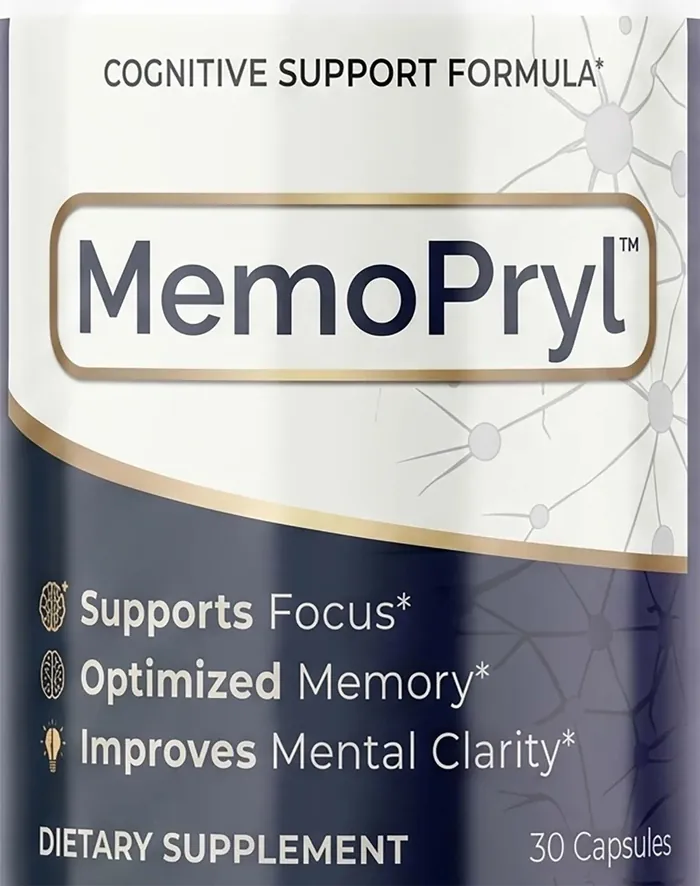
Side effects
Every reported side effect and drug interaction for MemoPryl's eight named ingredients, with when to stop and when to call 911.
Read moreU.S. stocking partner for MemoPryl
Ready to try MemoPryl?
The live listing sells single 30-capsule bottles for $39.00 with free standard shipping and 30-day returns, the seller paying return postage.
- Secure checkout
- 30-day window
- Ships from the U.S. with tracking