Ingredient profile
Phosphatidylserine in MemoPryl: What the Memory Research Shows
Phosphatidylserine is a fat-like compound found in brain cell membranes, and one of the six ingredients MemoPryl's brand graphics name. A 2022 meta-analysis found it "may have some potential benefit for memory", but small trials showed only slight effects (ADDF, Phosphatidylserine). Studies used 80-500 mg a day. MemoPryl does not publish its amount.
Written by the MemoPryl editorial teamUpdated
The basics
What is phosphatidylserine?
A phospholipid: a fat-like building block of cell membranes, found in brain cells. Supplements sell it for memory and focus.
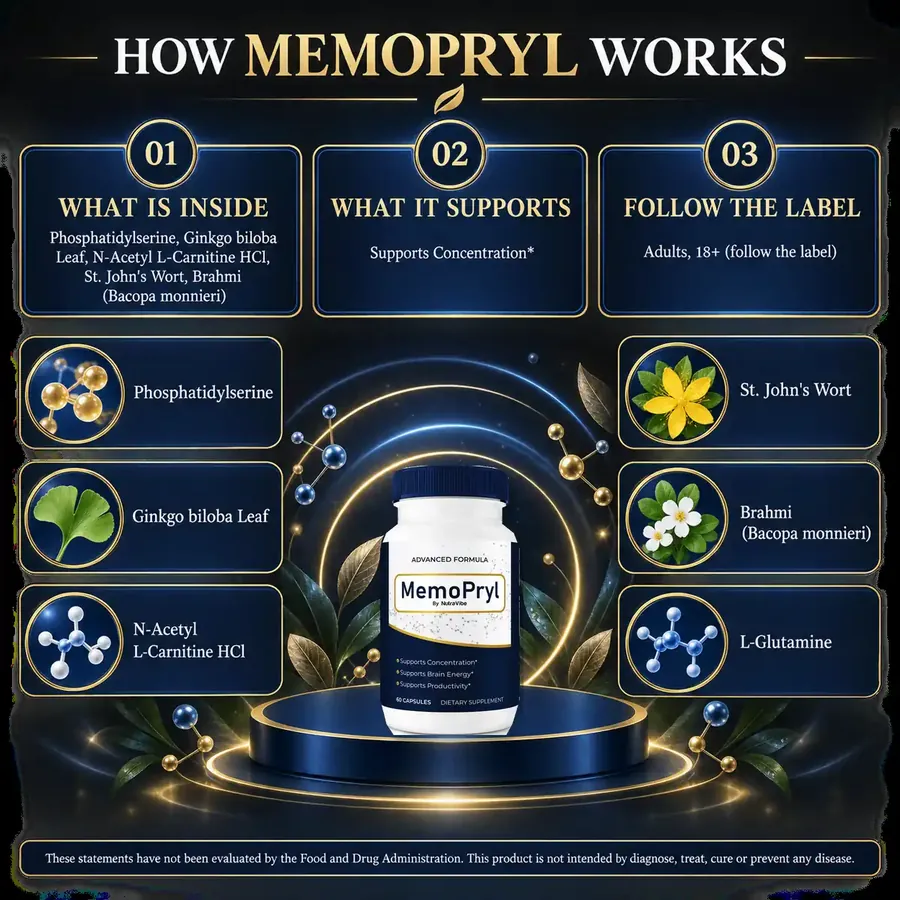
MemoPryl's brand graphic shows phosphatidylserine as one of six ingredients, and the eBay seller lists it as an active ingredient (eBay listing, MemoPryl). Your body makes its own supply. The supplement question is whether adding more changes anything you would notice.
| Label name | Phosphatidylserine |
|---|---|
| Scientific name | Phospholipid (plant or marine source) |
| What it is | Phospholipid |
| Position in the list | 1 of 8 (no Supplement Facts panel with amounts was available to us) |
| Per serving | Not shown in our materials |
| Amount used in research | 80-500 mg a day; most trials under 6 months |
| Strength of evidence | Small, not clinically clear |
| Traditional or marketed use | Fat-like compound found in brain cell membranes |
| Main caution | May lower blood pressure and may raise bleeding risk. |
The research
Does phosphatidylserine help memory?
Possibly a little, but the effect is small and unclear. That is the honest summary of the research to date.
The Alzheimer's Drug Discovery Foundation reviews the evidence in plain terms (ADDF, Phosphatidylserine). A 2022 meta-analysis concluded that phosphatidylserine "may have some potential benefit for memory". In small trials, effects were slight and "not large enough to be clinically relevant". In other words, scores moved, but probably not enough for daily life to feel different.
Results in Alzheimer's disease were short-lived. Larger trials did not confirm them. Phosphatidylserine is not shown to stop or reverse memory loss. If memory changes are affecting daily life, a doctor's visit comes before any supplement.
That wording is cautious on purpose. It means the signal is weak and needs bigger, longer studies. A product label that implies more than that is reaching past the evidence.
Reading the studies
Why is the phosphatidylserine evidence so weak?
Three features of the research keep the conclusions cautious. Each one is a reason to expect modest results at best.
Small trials
Small groups can show a change by chance. The effects seen were too slight to be clinically relevant (ADDF, Phosphatidylserine).
Short trials
Most ran for less than six months. Nobody knows much about effects, good or bad, after that.
Changed source
Older studies used cow-brain material. Supplements sold today use plant or marine sources instead.
None of these studies tested MemoPryl. They tested phosphatidylserine on its own, at known doses. For the full formula, see how MemoPryl is meant to work.
Doses studied
How much phosphatidylserine did studies use?
Between 80 and 500 mg a day, and most trials ran for less than six months (ADDF, Phosphatidylserine).
Plant or marine
Where does phosphatidylserine come from today?
Today's supplements are made from plant or marine sources. Older trials used phosphatidylserine taken from cow brain (ADDF, Phosphatidylserine).
That shift matters when you read the research. A result from an older cow-brain trial may not carry over to the plant or marine forms sold now.
MemoPryl's materials do not say which source it uses. The brand graphic "How MemoPryl works" points buyers to the label, but no label panel was available to us. If the source matters to you for diet or allergy reasons, ask the seller before ordering.
See the MemoPryl label page for everything both bottle versions show.
Ready to try MemoPryl?1 bottle $39.00 on the live listing · free standard shipping · 30-day returns
Order nowSafety
What are the side effects of phosphatidylserine?
It may lower blood pressure, raise body weight and increase bleeding risk, according to the ADDF review (ADDF, Phosphatidylserine).
Take care if you use blood pressure medicine or a blood thinner, or have surgery coming up. Ask your doctor or pharmacist before starting. Keep taking your prescribed medicine as directed.
MemoPryl also contains ginkgo and St. John's wort, and both affect warfarin (NCCIH, Ginkgo) (NCCIH, St. John's wort). One capsule can bring several effects on blood thinning at once. The side effects page lists every ingredient's notes in one table.
Research vs label
How much phosphatidylserine is in MemoPryl?
Not shown in our materials. Neither bottle version's Supplement Facts panel was available to us.
| Point | Research | MemoPryl |
|---|---|---|
| Daily amount | 80-500 mg | Not published |
| Length of use | Mostly under 6 months | No trial of MemoPryl |
| Source | Plant or marine today | Not published |
| Blood pressure or bleeding warning | Noted in the review | Not on any image |
Without the amount, nobody can say whether MemoPryl reaches even the low end of the studied range. Until a panel appears, take only the serving your own bottle prints.
Before you order
What should you ask about phosphatidylserine in MemoPryl?
Three short questions close the biggest gaps. Ask the seller, and keep the answers with your order email.
How many milligrams per serving?
Compare the answer with the 80-500 mg range.
Plant or marine source?
Useful if you avoid fish or certain plant allergens.
Which bottle version ships?
The 30-capsule and 60-capsule labels may differ.
A seller who cannot share the panel leaves you guessing on all three. In that case, weigh the 30-day return window and read the ginkgo profile, since ginkgo shares the bleeding note.
Other ingredients
Which other MemoPryl ingredients have memory research?
Bacopa has the most consistent small effects. Acetyl-L-carnitine results are mixed.
Compare all eight on the MemoPryl ingredients overview, or read the bacopa profile next.
FAQ
Phosphatidylserine questions
What is phosphatidylserine good for?
It is sold for memory, focus and stress, but the evidence is thin. A 2022 meta-analysis said it may have some potential benefit for memory, and small trials found slight effects that were not large enough to be clinically relevant (ADDF, Phosphatidylserine). Treat any benefit as uncertain.
Does phosphatidylserine lower blood pressure?
It may. The ADDF review lists lower blood pressure among its possible effects, along with weight gain and a higher bleeding risk (ADDF, Phosphatidylserine). If you take blood pressure medicine or often feel dizzy when standing, ask your doctor before trying a product that contains it.
Is phosphatidylserine made from plants or animals?
Today's supplements come from plant or marine sources. Older studies used phosphatidylserine from cow brain, so their results may not apply to current forms (ADDF, Phosphatidylserine). MemoPryl does not name its source in any material we have, so ask the seller if it matters to you.
Can phosphatidylserine help with Alzheimer's disease?
Not in any lasting way that larger trials confirmed. Early benefits in Alzheimer's were short-lived (ADDF, Phosphatidylserine). MemoPryl is a dietary supplement, not a treatment for Alzheimer's or dementia. Anyone with worsening memory should see a doctor, because some causes are treatable.
Is it safe to take phosphatidylserine every day?
Daily use was common in trials, but most lasted under six months, so long-term safety is less clear (ADDF, Phosphatidylserine). Watch for signs of low blood pressure, unusual bruising or weight change. In MemoPryl, the St. John's wort is the larger safety issue if you take any prescription medicine.
Can I take phosphatidylserine with a blood thinner?
Only after asking your doctor. Phosphatidylserine may increase bleeding risk (ADDF, Phosphatidylserine). In MemoPryl it sits next to ginkgo, also linked to bleeding with warfarin, and St. John's wort, which can weaken warfarin. That mix makes the overall effect hard to predict.
How long does phosphatidylserine take to work?
There is no set timeline. Most trials ran for less than six months, and the effects they found were slight (ADDF, Phosphatidylserine). No study of MemoPryl itself has been published. If you notice nothing after a few weeks, the live listing's 30-day return window is the practical limit to decide.
Who wrote this
Written and reviewed by
Plain-language pages built from the label, the sales page and linked public health sources.
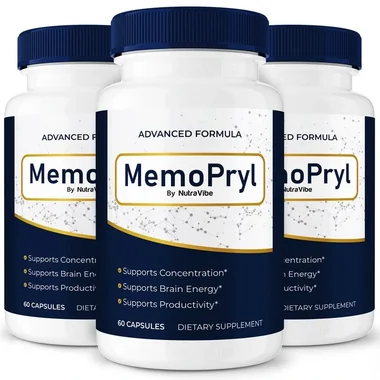
Last updated . Read our editorial standards and how we check reviews. This website is run by a U.S. stocking partner that sells MemoPryl, not by the maker (the pack shots say "By NutraVibe"). We earn money when you buy through our order links.
Keep reading
More about MemoPryl
Ingredients
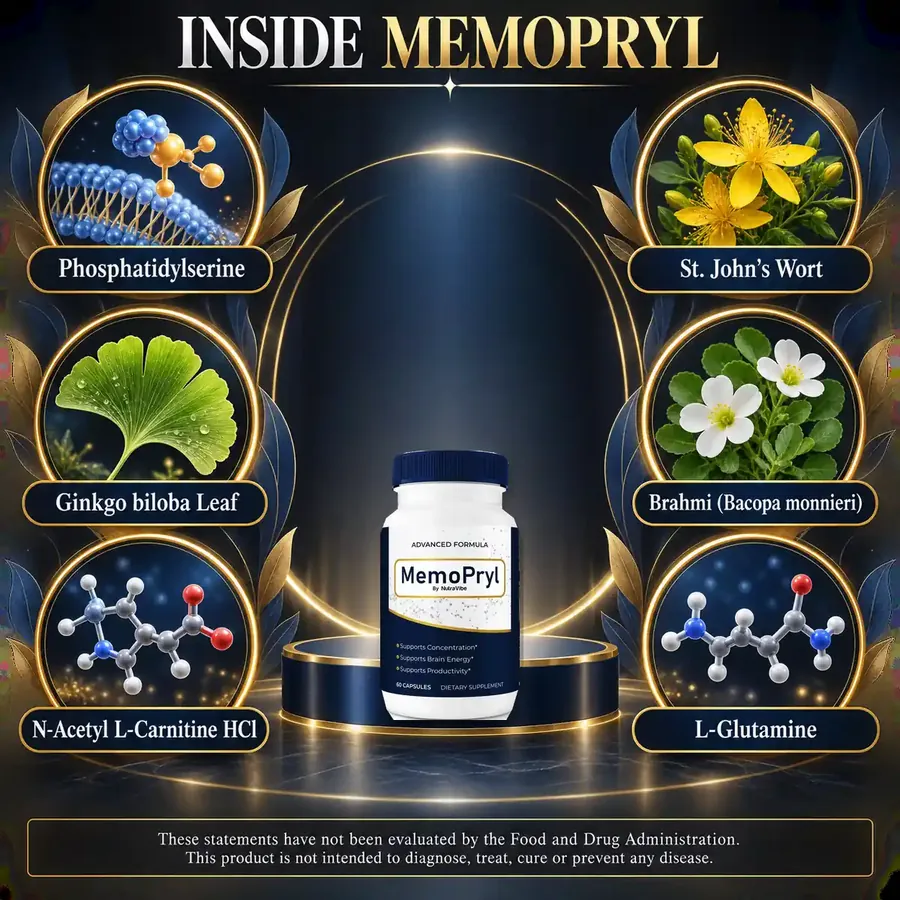
All eight MemoPryl ingredient names, where each one comes from, and the two that need a medicine check.
Read more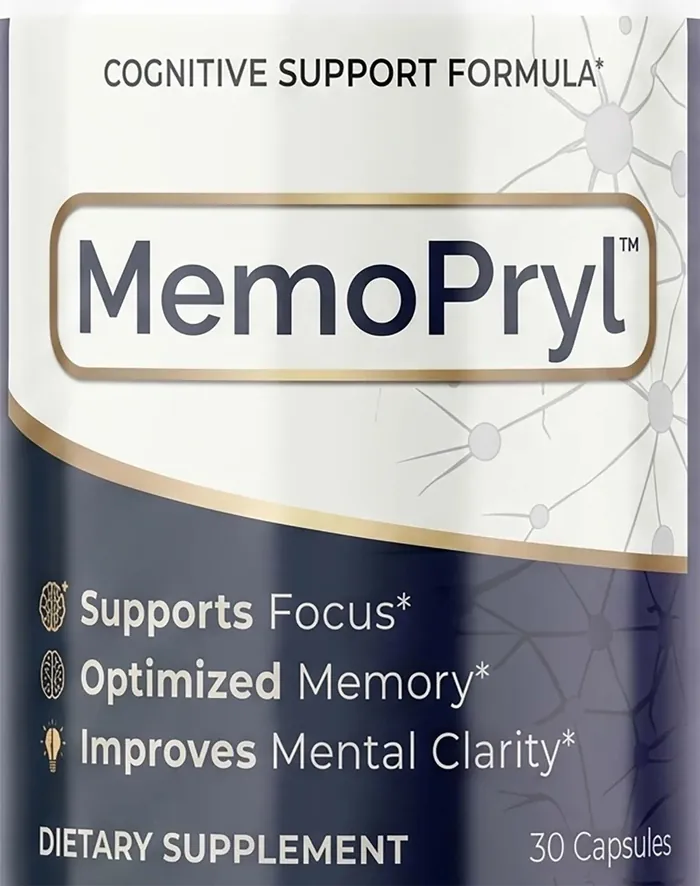
Side effects
Every reported side effect and drug interaction for MemoPryl's eight named ingredients, with when to stop and when to call 911.
Read more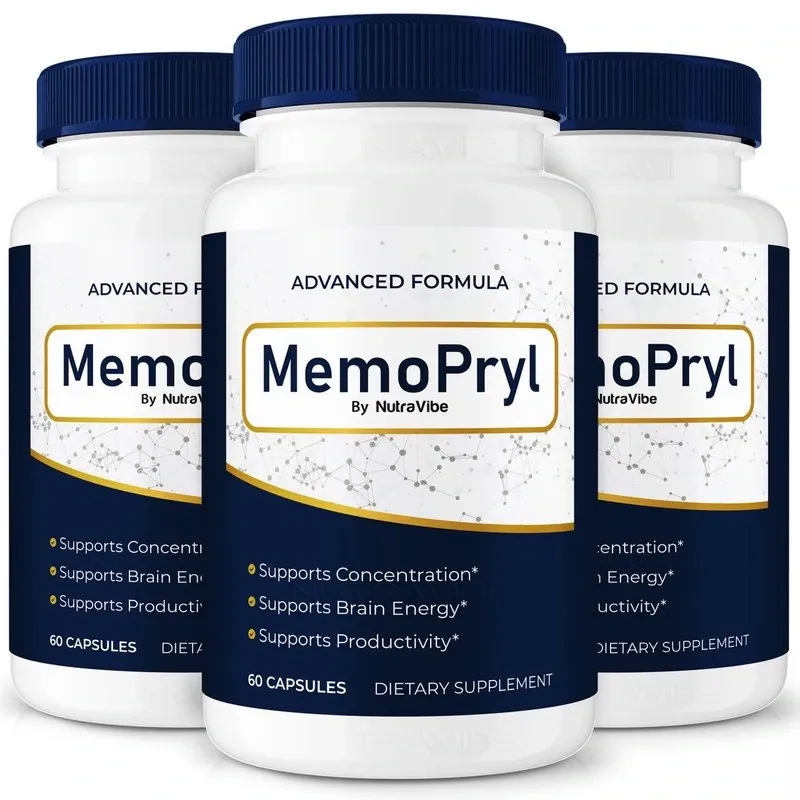
Label
Both MemoPryl labels side by side, the six things no image shows, and a checklist for your own back panel.
Read moreU.S. stocking partner for MemoPryl
Ready to try MemoPryl?
The live listing sells single 30-capsule bottles for $39.00 with free standard shipping and 30-day returns, the seller paying return postage.
- Secure checkout
- 30-day window
- Ships from the U.S. with tracking