Ingredient compare
Bacopa vs Ginkgo Biloba: 5 Checks Before You Choose
Bacopa and ginkgo are both sold for memory, but their records differ. Many small bacopa trials found at least one small gain, usually at 300 mg a day for about 3 months. Three large ginkgo studies found no drop in dementia risk, and ginkgo adds a bleeding caution. MemoPryl lists both, with no amounts published.
Written by the MemoPryl editorial teamMedically reviewed by Dr. James Bateman III, MD, MPH, PhysicianUpdated · 6 min read
Key facts
Key facts: how do bacopa and ginkgo compare at a glance?
- Bacopa monnieri, also called brahmi, is a creeping herb used in Ayurvedic medicine. Ginkgo biloba comes from the leaves of the ginkgo tree.
- Bacopa: many small trials, and most found at least one small improvement in memory or thinking tests (ADDF, Bacopa).
- Ginkgo: three large studies found no reduction in dementia risk, including the GEM study of 3,000+ adults aged 75 and older (NCCIH, Ginkgo).
- Bacopa trials usually ran about 3 months. The GEM study followed people for about 6 years.
- Ginkgo carries a bleeding caution with warfarin. Bacopa calls for care with thyroid medicine and with dementia drugs.
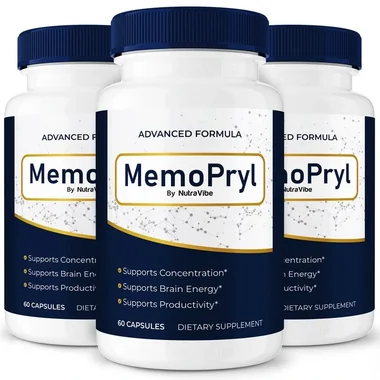
- MemoPryl names both on its brand graphics. The amount of each is not published.
Check 1
Check 1: What are bacopa and ginkgo, and why are they sold for memory?
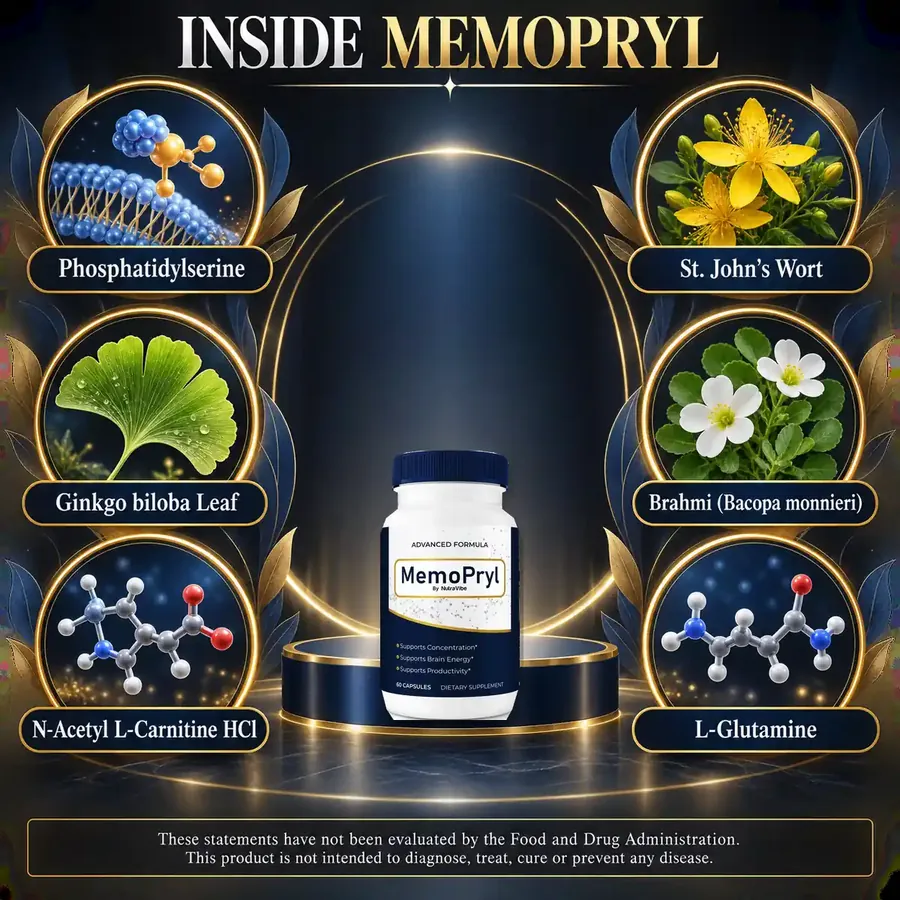
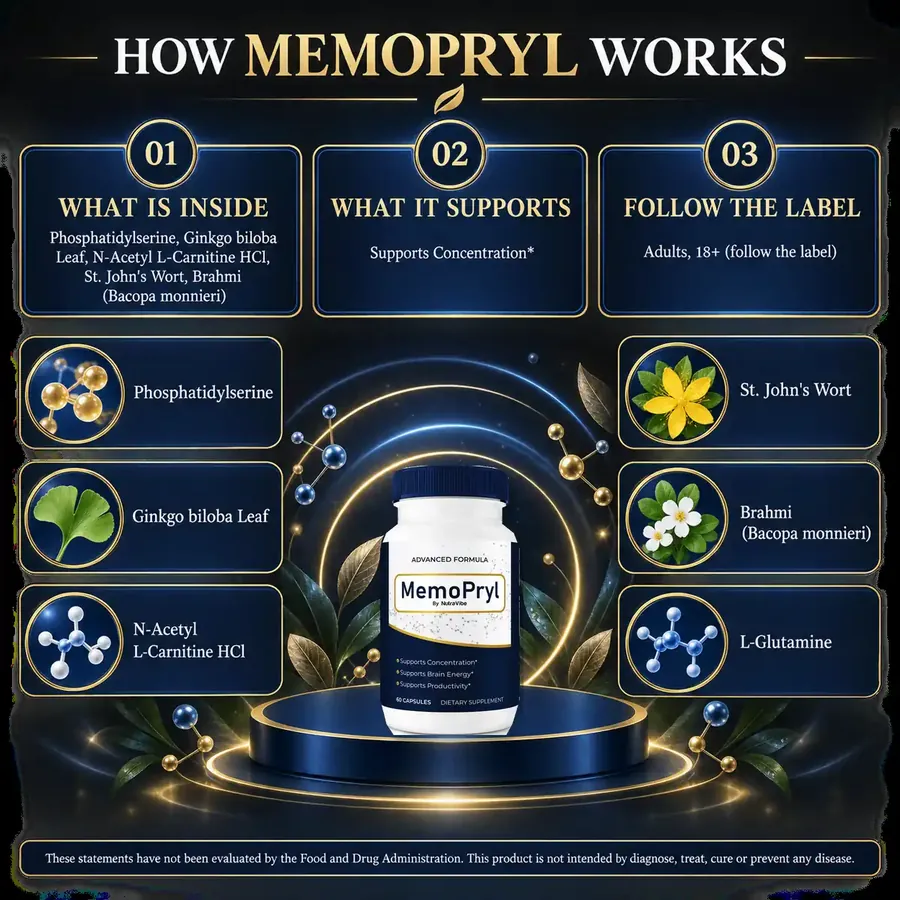
Bacopa monnieri grows in wet ground. In India it has been used for centuries under the name brahmi. MemoPryl's brand graphic prints it as "Brahmi (Bacopa monnieri)". In some regions sellers also use brahmi for gotu kola, a different plant, so the Latin name settles which one you have.
Ginkgo biloba is an extract of the leaves of the ginkgo tree, and it is probably the best-known memory herb. MemoPryl's graphic lists it as "Ginkgo biloba Leaf". Neither the graphic nor the eBay seller says which kind of leaf extract is used.
Both are sold on the same idea: that a plant extract can help thinking. That idea is old. Whether it holds up depends on the trials, which come next.
Check 2
Check 2: What do the studies say about bacopa vs ginkgo?
| Question | Bacopa | Ginkgo |
|---|---|---|
| How many studies? | Many, mostly small | Three large studies named by NCCIH |
| Main finding | Most found at least one small improvement | No reduction in dementia risk |
| Who took part? | Adults in small memory trials | Older adults; the GEM study had 3,000+ aged 75 and up |
| How long? | About 3 months | About 6 years in GEM |
| Source | (ADDF, Bacopa) | (NCCIH, Ginkgo) |
The two results answer different questions. A small bacopa gain on a memory test is not the same as protection against dementia. A ginkgo study that finds no protection from dementia does not settle every question about everyday focus. The honest reading is this: bacopa has the more consistent small signal, and ginkgo has the weaker record.
Neither record comes from a trial of MemoPryl. Both come from the single herb, at a known dose.
Check 3
Check 3: What doses and timelines were used?
Bacopa trials usually used 300 mg a day, with a range of 250 to 600 mg, for about 3 months (ADDF, Bacopa). That timeline matters. A 30-day return window is shorter than a typical bacopa trial, so a month cannot copy the studies.
For ginkgo, our sources describe the length of the GEM study but give no daily dose, so we do not state one. That is a gap in what we hold, not a hint about the dose.
MemoPryl publishes neither amount. The brand graphic says only to follow the label. Because eight ingredients share one serving, either herb could sit well below a trial dose, and nobody outside the maker can say.
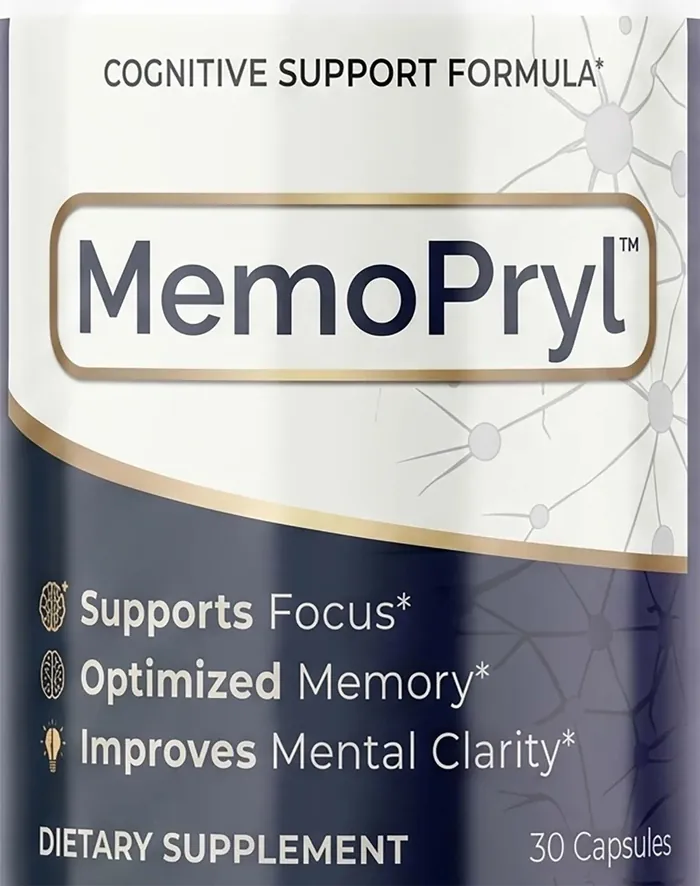
Both herbs are in one capsuleMemoPryl names ginkgo and bacopa on its brand graphics. The live listing shows the seller, the price and the return terms.
See today's price and guaranteeWe earn money when you buy through our order links.
Check 4
Check 4: How do the safety notes compare?
| Topic | Bacopa | Ginkgo |
|---|---|---|
| Common effects | Nausea and stomach cramps | Dizziness, stomach upset and headache |
| Medicine cautions | Thyroid medicine; cholinergic dementia drugs such as donepezil | Warfarin: extra bleeding risk |
| Pregnancy | Not covered in our source | May be unsafe in pregnancy |
| Before surgery | Not covered in our source | Tell your surgeon; bleeding risk |
The ginkgo and warfarin point is the one NCCIH singles out (NCCIH, Ginkgo). Anyone on warfarin or another blood thinner should ask the prescriber before any product that contains ginkgo. Keep taking your prescribed medicine while you wait for the answer.
For bacopa, the cautions are about two drug groups. Thyroid medicine calls for care, and so do cholinergic drugs, the group that includes donepezil, rivastigmine and galantamine (ADDF, Bacopa).
Check 5
Check 5: What changes when both herbs sit in one formula?
Three things get harder. You cannot tell which herb caused a symptom. You cannot tell whether either reaches its trial dose. And the cautions stack: MemoPryl also contains St. John's wort, which can weaken warfarin (NCCIH, St. John's wort), while ginkgo adds bleeding risk with the same drug. With warfarin, the two herbs may pull in opposite directions, and the net effect is hard to predict.
The eBay seller lists huperzine A too, which acts much like a prescription dementia drug (ADDF, Huperzine A). Bacopa already calls for care with those drugs, so the two may add together.
Ask the seller for a photo of the back panel with the amount of each herb. Ask your pharmacist whether ginkgo, bacopa or St. John's wort clashes with anything on your medicine list.
If you wanted a single bacopa product to match the studies, MemoPryl is not that. Its label is a mix, and its amounts are unpublished.
FAQ
Frequently asked questions
Which is better for memory, bacopa or ginkgo?
Bacopa has the more consistent small signal: most small trials found at least one small gain (ADDF, Bacopa). Ginkgo did not lower dementia risk in three large studies (NCCIH, Ginkgo). Neither was tested inside MemoPryl, so neither result carries over.
Can you take bacopa and ginkgo together?
Ask a pharmacist first, especially if you use warfarin, thyroid medicine or a dementia drug. Both herbs have their own cautions, and MemoPryl combines them with St. John's wort and other ingredients.
Does ginkgo biloba thin the blood?
It is not a prescription blood thinner, but NCCIH links it to bleeding risk, most clearly with warfarin (NCCIH, Ginkgo). Tell your surgeon or dentist about any ginkgo product before a procedure.
How long does bacopa take to work?
Trials usually measured results after about 3 months (ADDF, Bacopa). The return window on the live MemoPryl listing is 30 days, which is shorter than that.
Is the bacopa in MemoPryl the same dose as in studies?
That is not published. The brand graphic names brahmi without an amount, and the eBay seller lists it under other ingredients. Ask for a photo of the back panel to compare it with the 300 mg used in trials.
Is brahmi the same as bacopa?
Usually, yes. Brahmi is the Ayurvedic name for Bacopa monnieri. Some regions use the name for gotu kola, a different plant, so check the Latin name on any label.
Bottom line
Our view
If you only read the headlines, bacopa and ginkgo sound like twins. They are not. One has a small but steady record in short trials. The other has a long record that did not show protection from dementia.
For a MemoPryl buyer, the practical point is not which herb wins. It is that both sit in one capsule with unknown amounts, next to an herb that can weaken many medicines. That is a reason to ask for the panel and to see a pharmacist first.
If you decide to try it, expect small effects at best, and judge it by your own notes.
MemoPryl is a dietary supplement. It is not FDA approved, and no supplement is. It is not a treatment for memory loss, dementia or any disease. It contains St. John's wort, which can weaken many medicines. Ask your doctor or pharmacist before you start, and keep taking any prescribed medicine.
Last updated . Medically reviewed by Dr. James Bateman III, MD, MPH, Physician.
Sources
- Bacopa monnieri: Cognitive Vitality. Alzheimer's Drug Discovery Foundation, 2026.
- Ginkgo. National Center for Complementary and Integrative Health, 2026.
- St. John's Wort: Usefulness and Safety. National Center for Complementary and Integrative Health, 2026.
- Huperzine A: Cognitive Vitality. Alzheimer's Drug Discovery Foundation, 2026.
U.S. stocking partner for MemoPryl
Compare before you pick
One bottle of MemoPryl is $39.00 on the live listing, with free standard shipping and 30-day returns. Read both herb profiles first.
We earn money when you buy through our order links. MemoPryl is a dietary supplement and is not FDA approved.
Who wrote this
Written and reviewed by
Plain-language pages built from the label, the sales page and linked public health sources.
Last updated . Read our editorial standards and how we check reviews. This website is run by a U.S. stocking partner that sells MemoPryl, not by the maker (the pack shots say "By NutraVibe"). We earn money when you buy through our order links.